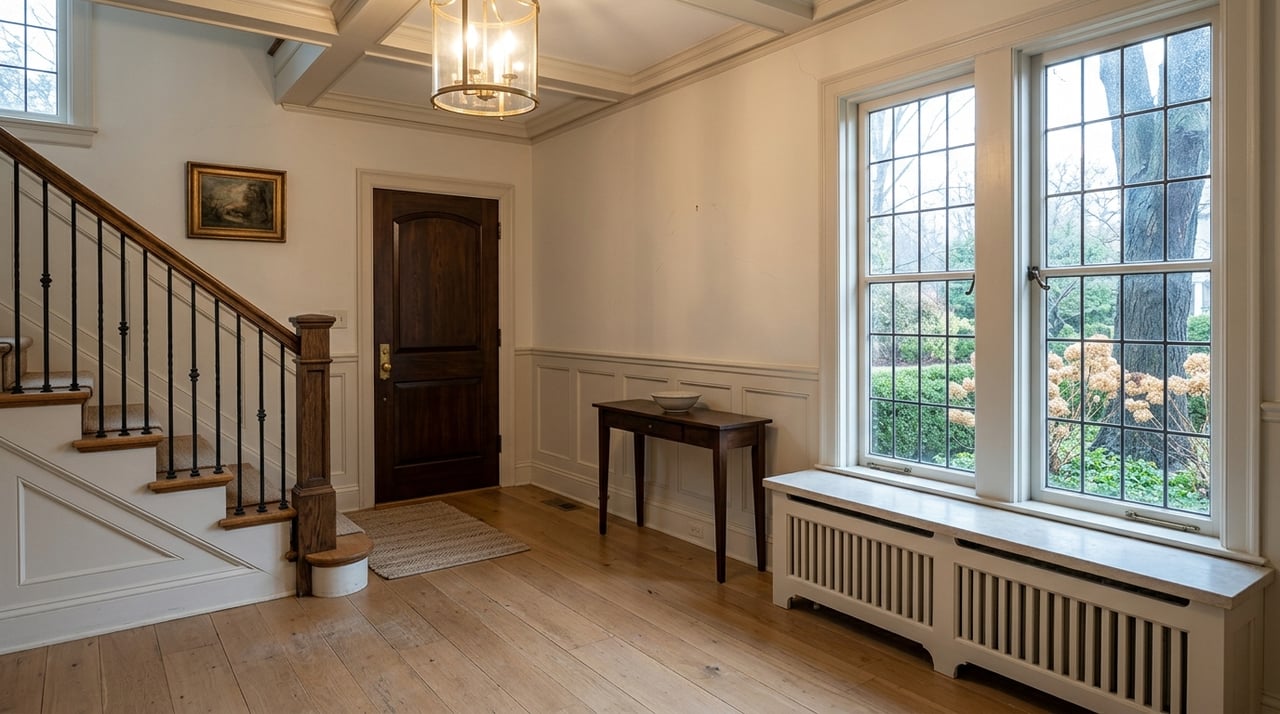
Historic Hinsdale Homes and Village Lifestyle Explained
Lifestyle Guide July 9, 2026
Lifestyle Guide July 9, 2026
Wondering what makes historic Hinsdale feel different from other suburban markets? If you are drawn to older homes, walkable village centers, and neighborhoods with visible history, Hinsdale offers a distinct mix of architecture, preservation, and daily convenience. Understanding how those pieces fit together can help you buy or sell with more confidence. Let’s dive in.
Hinsdale’s character is tied closely to its early growth as a railroad-era suburb. Village history sources note that William Robbins documented the area in 1866, Hinsdale incorporated in 1873, and wood and brick-paved roads were already being built by 1892. That long development timeline helps explain why parts of the village feel layered rather than uniform.
Historic preservation is also part of the local culture. The Hinsdale Historical Society focuses on preserving the village’s history and architecture, and its voluntary plaque program has recognized historic structures since 1986. Homes that are at least 90 years old can qualify, which shows how much value the community places on older housing stock.
Two areas stand out when people talk about historic Hinsdale: the Robbins Park Historic District and the downtown historic district. Village board materials state that Hinsdale has two historic districts on the National Register of Historic Places. These districts help preserve the visual rhythm and architectural continuity that many buyers notice right away.
Robbins Park is especially important to Hinsdale’s story. Historical Society materials say William Robbins first planned it in 1871, and it includes many of the village’s oldest residences. Some streets there still retain original brick pavers, which adds to the neighborhood’s established and historic feel.
The streetscape matters just as much as the homes themselves. Hinsdale’s preservation materials emphasize that brick paving is part of the village’s historic character. In practical terms, that means the setting often feels more textured and rooted than areas built in a single later phase.
One of Hinsdale’s strengths is architectural variety. It is not defined by a single signature style, which gives buyers a broader range of home character and design details to explore.
The Historical Society describes an 1887 Robbins Park residence known as Fairlawn as a Queen Anne home. That example also shows a pattern common in Hinsdale, where original design character and later renovations can exist together. If you love older homes, this mix of period detail and modern updates is often part of the appeal.
Village history sources note that O. P. Bassett built a Colonial Revival house on Sixth Street in 1889. That places Colonial Revival among the established styles in Hinsdale’s early residential mix. You may see this style reflected in more symmetrical facades and a more formal appearance compared with late-Victorian homes.
R. Harold Zook left a visible mark on Hinsdale. Historical Society sources say he designed about 34 homes and commercial buildings in the village, was best known for Cotswold style, and also created Tudor and Georgian structures. That influence helps explain why some parts of Hinsdale feel especially rich in architect-driven design.
The larger point is simple. Hinsdale’s identity comes from a blend of ornate late-Victorian homes, revival styles, and other early domestic architecture rather than one repeating look. For you as a buyer or seller, that variety can affect everything from pricing conversations to renovation expectations and marketing strategy.
Historic appeal is only part of the story. Hinsdale’s village lifestyle also comes from how the downtown functions day to day.
CMAP’s downtown parking plan describes downtown Hinsdale as compact, mixed-use, and walkable. It notes that visitors can park once and complete multiple errands on foot within a small area. That setup supports a lifestyle where daily tasks, dining, and local events can happen in one connected area.
The concentration of businesses and offices in a small footprint is part of that appeal. Walkability, density, and mixed uses are described as central to downtown Hinsdale’s character. For many buyers, that creates a different experience from a purely car-dependent suburban pattern.
Metra adds another layer of convenience. The BNSF line serves three Hinsdale stations: Highlands, Hinsdale, and West Hinsdale. That gives residents multiple access points depending on where they live in the village.
The Hinsdale station at 21 E Hinsdale Ave. includes eight parking lots, 331 total spaces, 69 daily-only spaces, and five ADA spaces. For commuters, that infrastructure supports a practical routine while still preserving the village-centered residential feel that draws many people to Hinsdale in the first place.
Part of what makes a place feel established is the repetition of local events over time. Hinsdale has a seasonal calendar that helps shape that sense of place.
The Hinsdale Farmers Market runs on Mondays from June 15 through October 12 in 2026 on Chicago Avenue in front of Burlington Park and Hinsdale Village Hall. According to the Chamber, it was founded in 1977 and brings farmers and small food vendors from Illinois, Michigan, and Wisconsin. Events like this create a familiar village rhythm that many residents enjoy year after year.
Summer programming continues beyond the market. Uniquely Thursdays brings 10 weeks of free summer music to Burlington Park, and the Hinsdale Fine Arts Festival fills Burlington Park with artists each June. These recurring events reinforce downtown as more than a business district.
The Community House also plays an important civic role. It offers arts, recreation, childcare, counseling, and social programs while welcoming nearly 3,000 individuals and families each year. Village history materials also note that the former Hinsdale Club clubhouse became The Community House, which helps explain its longstanding presence in village life.
If you are considering a historic Hinsdale home, character is only one part of the decision. You also need to understand how age, style, condition, and location within or outside a historic district may affect your plans.
A useful first step is to separate a home’s historic feel from its formal designation. The Historical Society’s plaque program is voluntary, and it is not the same as village preservation review or the National Register process. That distinction matters if you are thinking about exterior changes after closing.
Village materials state that anyone proposing an alteration to, or seeking a building, demolition, sign, or other permit for, a designated landmark or a structure within a designated historic district must submit a certificate-of-appropriateness application before work begins. Board minutes also note that certificate-of-appropriateness review is required for new construction or demolition in the Robbins and downtown historic districts.
In everyday terms, some Hinsdale homes can be updated with fewer preservation-related steps than others. If your goals include replacing windows, changing the facade, adding on, or rebuilding, it is smart to verify whether the property falls within a designated district before you move too far into planning.
If you own an older Hinsdale home, your property’s historic character may be one of its strongest differentiators. Buyers are often drawn to mature streetscapes, established architecture, and the connection between the home and the village setting.
That said, pre-listing decisions matter. If you are considering exterior updates before selling, it is worth checking whether the home is in a designated district and whether a certificate-of-appropriateness process may apply. Clarifying that early can help you avoid delays and make better decisions about which improvements are worth doing.
Historic homes also benefit from thoughtful presentation. When a property has architectural details, renovation history, or a location tied to a recognizable streetscape, those features should be explained clearly so buyers understand both the charm and the practical considerations.
Hinsdale stands out because it combines several qualities that do not always come together in one place. You have older housing stock, preserved streetscapes, a compact walkable downtown, commuter rail access, and recurring community traditions that keep the village center active.
For buyers, that can mean finding a home with both character and convenience. For sellers, it can mean marketing a property within a broader lifestyle story that extends beyond square footage. In either case, understanding how history, preservation, and village rhythm connect can lead to better real estate decisions.
If you are weighing a move in Hinsdale or trying to understand the value of a historic or character-rich property, working with a local advisor can make the process much clearer. David Vargas offers honest guidance, thoughtful strategy, and a neighborhood-level perspective to help you move forward with confidence.

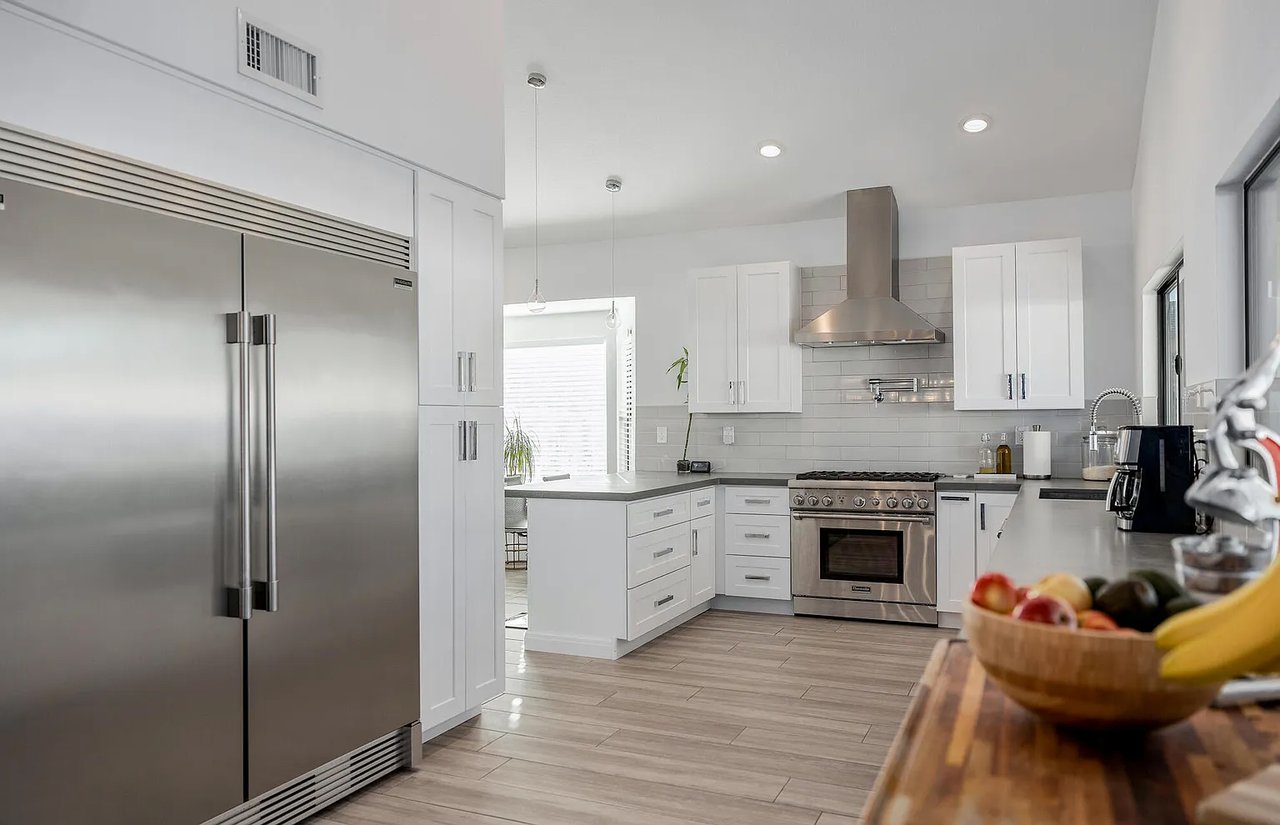
Homeowners
Expert strategies to maximize value, attract qualified buyers, and make a lasting first impression.

SRES®
Helping Homeowners Navigate their Next Chapter from Naperville to Hinsdale
Lifestyle Guide
Discover what defines historic Hinsdale homes
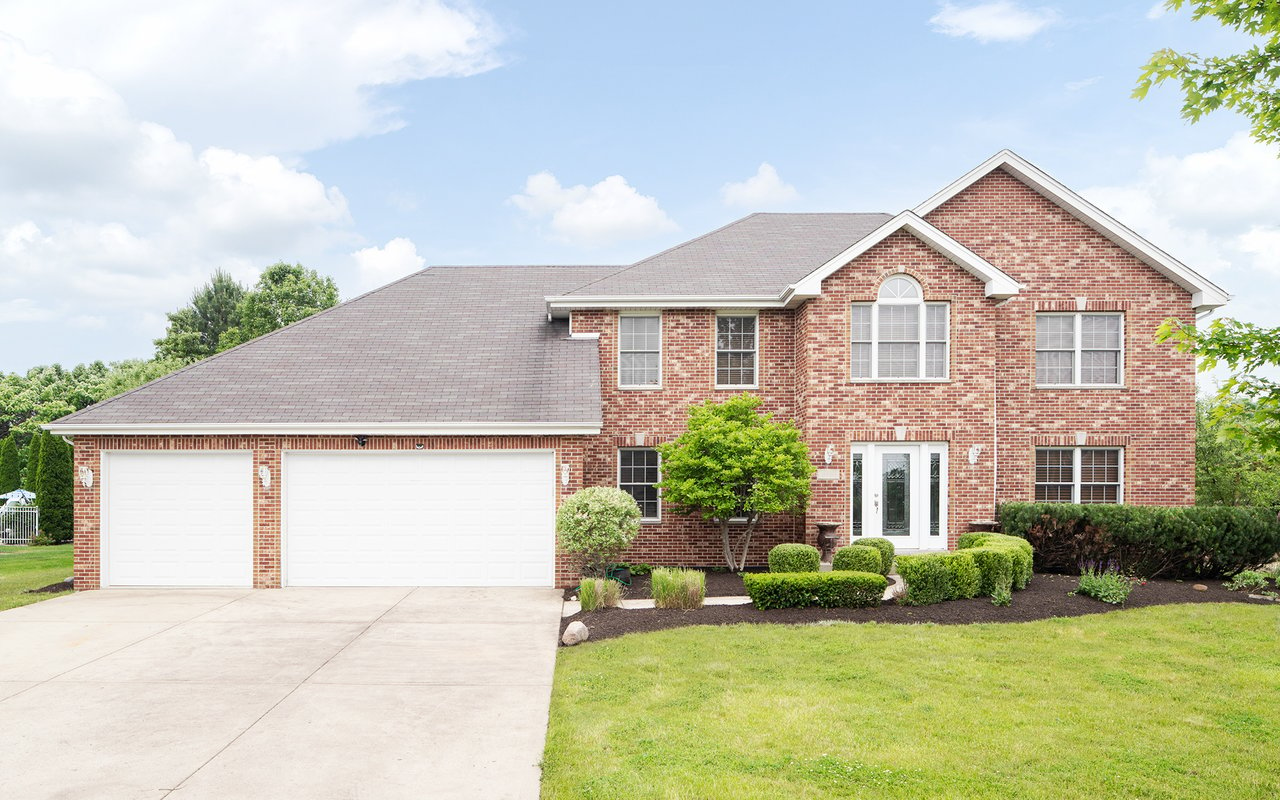
Naperville home values have increased 154% since 2019
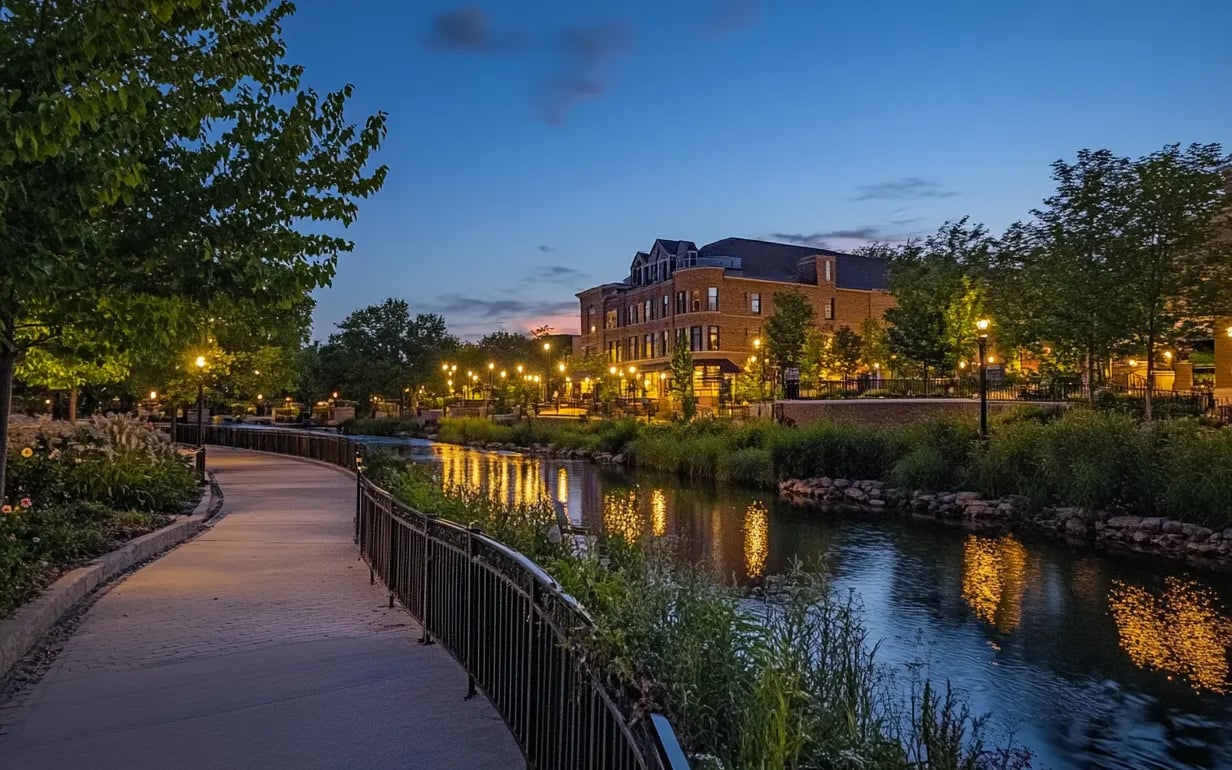
Nationally recognized schools, a vibrant downtown, exceptional parks, and a diverse housing market for all buyers

Family-friendly amenities and an exceptional luxury housing market
Rooted in faith, family, and community, David guides homeowners in Hinsdale with clarity and purpose. Combining local expertise with a refined, strategic approach, he ensures every client feels confident and prepared. From neighborhoods to home values and timing, David makes each transaction seamless, personal, and intentional.