Comparing Central and South Naperville for Homebuyers
David Vargas June 25, 2026
David Vargas June 25, 2026
Are you deciding between central and south Naperville and wondering which area actually fits your day-to-day life? It is a smart question, because in Naperville, the better choice often comes down to how you want to live, commute, and use your home, not just what shows up in a price search. If you are comparing walkability, home style, recreation, and convenience, this guide will help you sort through the trade-offs with more clarity. Let’s dive in.
There is no single official line that separates “central” Naperville from “south” Naperville. In practice, central Naperville usually refers to the downtown core around Washington Street, Jefferson Avenue, Aurora Avenue, and the Naperville Metra station in 60540.
South Naperville is often understood as the area around Route 59, 95th Street, and the newer residential and retail areas in 60564. That makes this less about a strict map boundary and more about comparing two different living patterns within the same city.
If you are home shopping, that distinction matters. One area tends to offer a more walkable, historic, downtown-centered lifestyle, while the other often offers newer housing, larger subdivision settings, and easy access to retail corridors and larger parks.
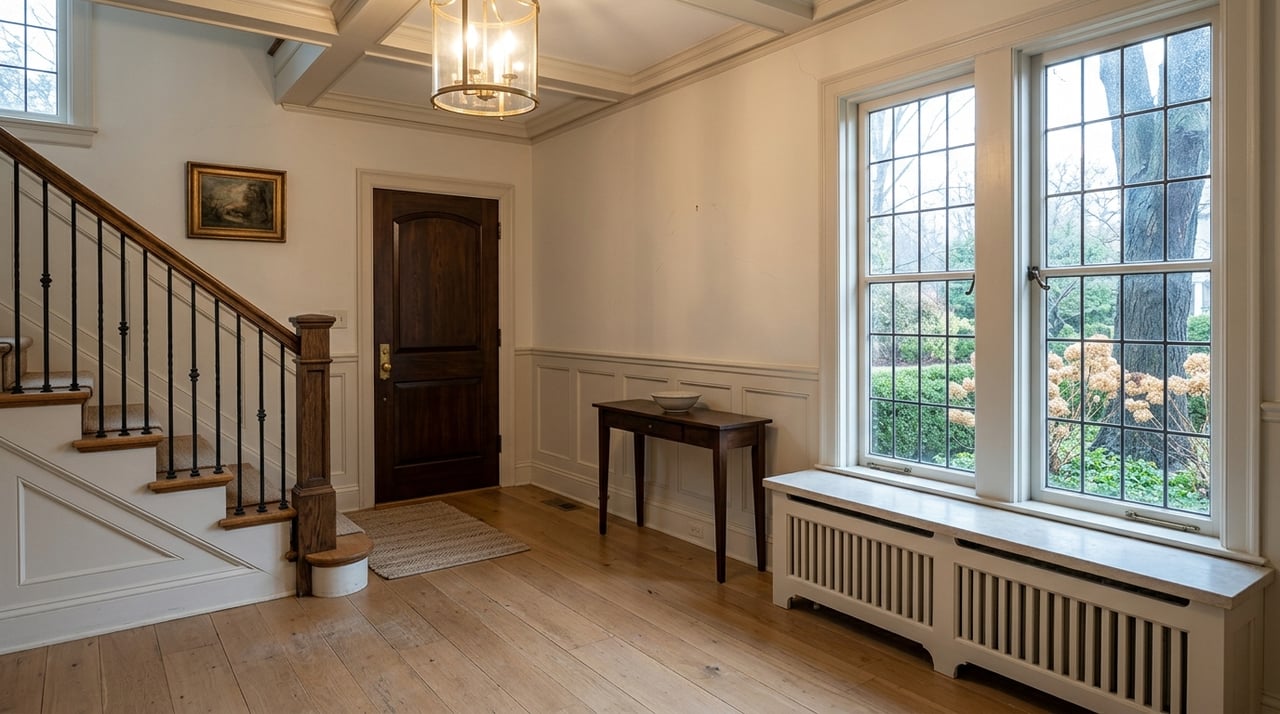
Central Naperville generally has older housing stock and more architectural character. Because of the downtown setting and historic context, you are more likely to find older single-family homes, infill opportunities, and some attached housing near the core rather than large newer subdivision tracts.
The city’s local historic district includes part of the North Central College campus and about 253 homes. If you are drawn to character homes, that can be a real advantage, but it also means you should understand that exterior changes to landmarked or historic-district properties may require a Certificate of Appropriateness.
For some buyers, that added review is worth it for the charm and location. For others, especially if you are planning major exterior updates, it is an important factor to weigh before making an offer.
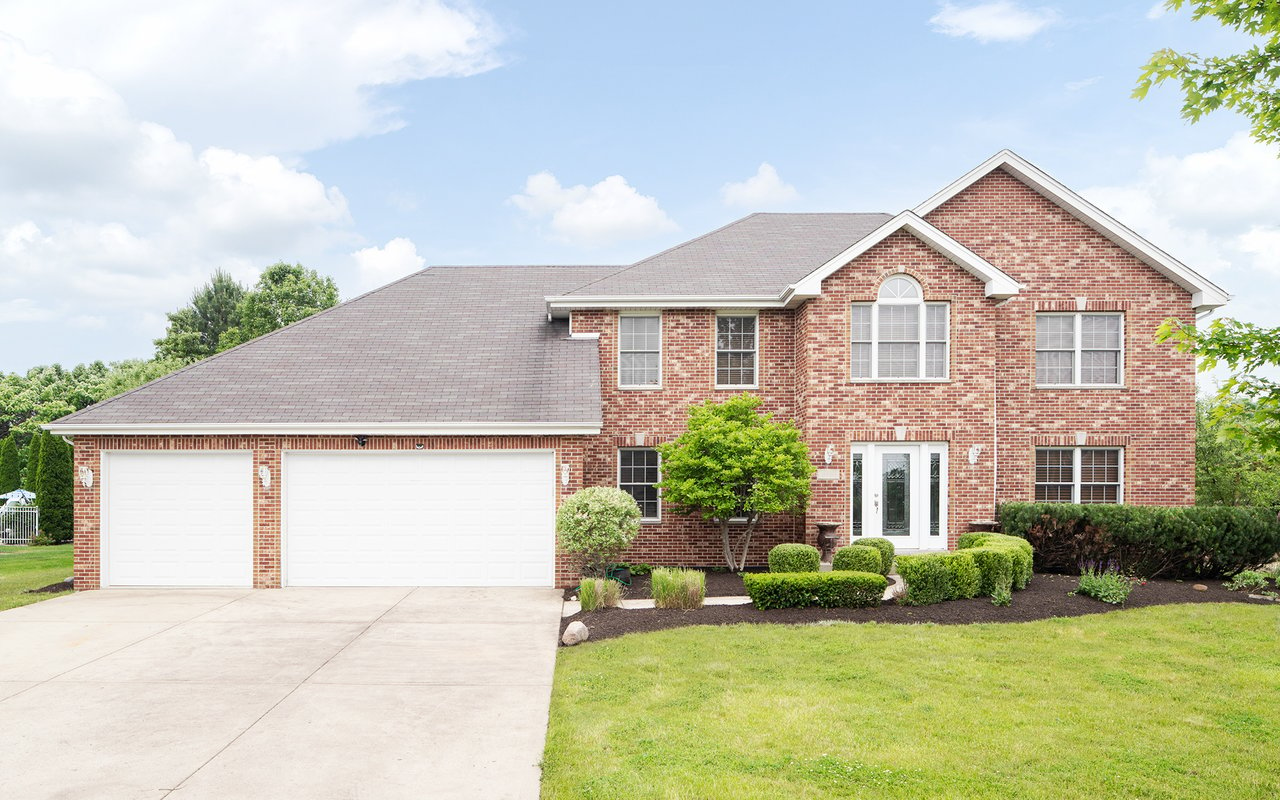
South Naperville typically feels newer in its housing mix. The city’s April 2026 occupancy report shows that most residential units in progress were in 60564, including homes and townhomes in Polo Club, plus projects in Hidden Creek of Naperville and Clow Creek Farm Addition.
That does not mean every home in south Naperville is new construction. It does mean the area is the stronger fit if you are hoping for a more recent subdivision layout, newer finishes, or a product mix that trends newer overall.
If your wish list includes a more suburban neighborhood pattern, newer community design, and a home that may need fewer immediate updates, south Naperville often deserves a close look.
One of the most useful takeaways for buyers is that this is not a dramatic price-gap story. In March 2026, Redfin reported a median sale price of $600,000 in 60540 and $630,000 in 60564.
Days on market were also fairly close, with 60540 at an average of 52 days and 60564 at about 55 days. That tells you the decision is often less about one side being clearly cheaper and more about what you get for a similar budget.
In simple terms, central Naperville buyers are often prioritizing location, walkability, and historic context. South Naperville buyers are often prioritizing newer homes, subdivision living, and access to larger recreation spaces and retail hubs.
If you want the strongest walkable lifestyle, central Naperville has the edge. The city describes downtown as pedestrian-friendly, with shops, restaurants, Riverwalk access, and free parking in municipal lots and decks.
That pedestrian-friendly setup changes how daily life feels. You may be able to walk to coffee, dining, errands, civic spaces, and community events more easily than in more spread-out parts of town.
Central Naperville also benefits from the downtown cluster of amenities. The Riverwalk, Nichols Library at 200 W. Jefferson Ave., and the Naperville Metra station are all part of that more compact center of gravity.
South Naperville is usually more car-oriented, but that does not mean it lacks convenience. It simply delivers convenience in a different way, with shopping, dining, services, and entertainment spread across major corridors like Route 59 and 95th Street.
Naperville Crossings at 95th Street is a notable south-side retail hub with stores, restaurants, offices, and a movie theatre. The 95th Street Library at 3015 Cedar Glade Dr. also gives south-side households a full-service library branch close to home.
If your routine already revolves around driving between home, activities, shopping, and recreation, south Naperville may feel very practical. It is a more suburban errands pattern, and for many buyers, that works well.
Central Naperville is the better choice if you want to be close to the downtown station. The Naperville Metra Station is at 105 E. 4th Ave., and Amtrak also serves that location.
The city also notes that Pace provides all-day service between the Naperville and Route 59 stations through four routes. For buyers who value a downtown train option and a less car-dependent routine, central Naperville stands out.
If your ideal morning includes walking or making a short trip to the train, central Naperville will usually feel more intuitive.
South Naperville can still be a strong commuter choice, especially if your routine favors driving or using the Route 59 station. The Route 59 Metra Station is at 1090 N. Route 59, and the city notes that it sits a short distance from I-88.
That can be especially appealing if you need practical access to job centers tied to the highway corridor. South Naperville may not offer the same downtown walkability, but it can be very convenient for buyers whose commute starts with a car or park-and-ride routine.
The trade-off is pretty straightforward. Central is stronger for a walkable train lifestyle, while south is often stronger for Route 59 parking, highway access, and a more suburban commute pattern.
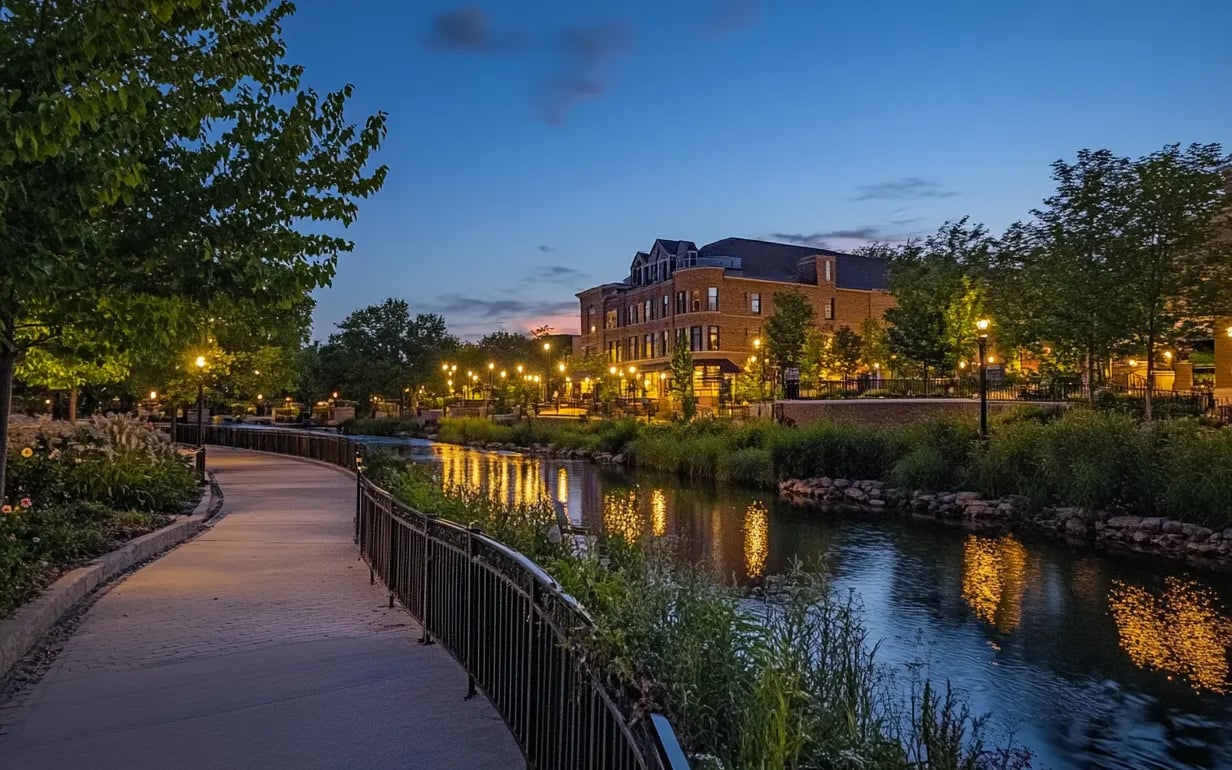
Central Naperville’s signature lifestyle feature is the downtown and Riverwalk area. The city says the Riverwalk stretches 1.75 miles and includes brick paths, fountains, bridges, event spaces, sculpture, and the Millennium Carillon.
That gives central Naperville a civic and cultural feel that many buyers love. If you enjoy being near public gathering spaces, scenic walking routes, and a recognizable town center, this area offers that in a way that feels distinct.
For some buyers, that kind of shared community space matters just as much as the house itself.
South Naperville has the edge if you want access to larger parks and more expansive outdoor recreation. Knoch Knolls Park includes trails, disc golf, a canoe launch, playgrounds, ponds, and wooded preserve land.
Wolf’s Crossing Community Park adds 33 acres with pickleball courts, splash pads, and multi-use trails. Springbrook Prairie brings another major outdoor option, with 7 miles of trails and an off-leash dog area.
If your weekends revolve around trails, sports courts, open green space, or outdoor family time, south Naperville offers a strong recreation lineup.
For some buyers, school boundaries are part of the home search, but it is important to treat them as address-specific rather than broad assumptions. District 203’s school information indicates that Naperville Central’s attendance area is south of the district’s high-school boundary line, while a District 204 elementary school in 60564 describes itself as being on Naperville’s south side.
That supports a common local shorthand that central Naperville often overlaps with District 203 and south Naperville often overlaps with District 204. Still, exact boundaries vary by address, so buyers should confirm school assignment details for any property they are considering.
If you are choosing between central and south Naperville, the best answer usually comes back to your lifestyle priorities. Both areas are established parts of a high-demand market, and current pricing suggests you may be choosing more between living patterns than between radically different price tiers.
Central Naperville may fit you best if you want:
South Naperville may fit you best if you want:
The right move is not about picking the “better” side of Naperville. It is about choosing the area that matches how you actually want to live once move-in day is over.
If you want help comparing neighborhoods, home styles, and trade-offs in Naperville with a clear local perspective, connect with David Vargas.
Downers Grove offers the perfect blend of parks, trails, community events, and commuter-friendly living.
Homeowners
Expert strategies to maximize value, attract qualified buyers, and make a lasting first impression.

SRES®
Helping Homeowners Navigate their Next Chapter from Naperville to Hinsdale
Lifestyle Guide
Discover what defines historic Hinsdale homes
Naperville home values have increased 154% since 2019
Nationally recognized schools, a vibrant downtown, exceptional parks, and a diverse housing market for all buyers
Family-friendly amenities and an exceptional luxury housing market
Rooted in faith, family, and community, David guides homeowners in Hinsdale with clarity and purpose. Combining local expertise with a refined, strategic approach, he ensures every client feels confident and prepared. From neighborhoods to home values and timing, David makes each transaction seamless, personal, and intentional.